Wed 14 Jan: Wild Guess, Westpfel Co. and Ming Chin HSIEH
News Story
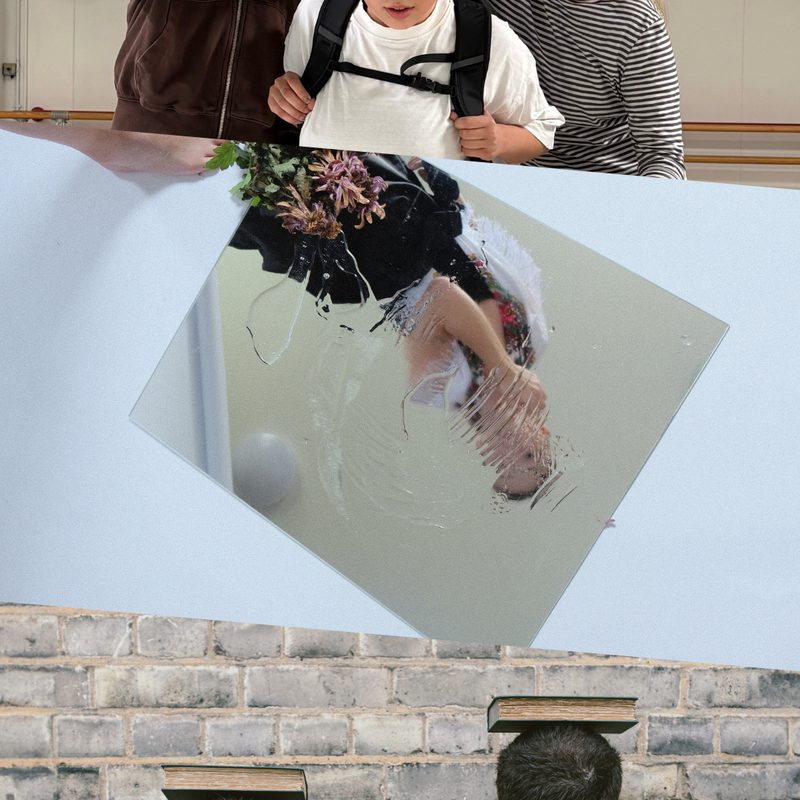
Wild Guess Attention Economy
Westpfel Co. Fracture
Ming Chin HSIEH Born, Never Asked
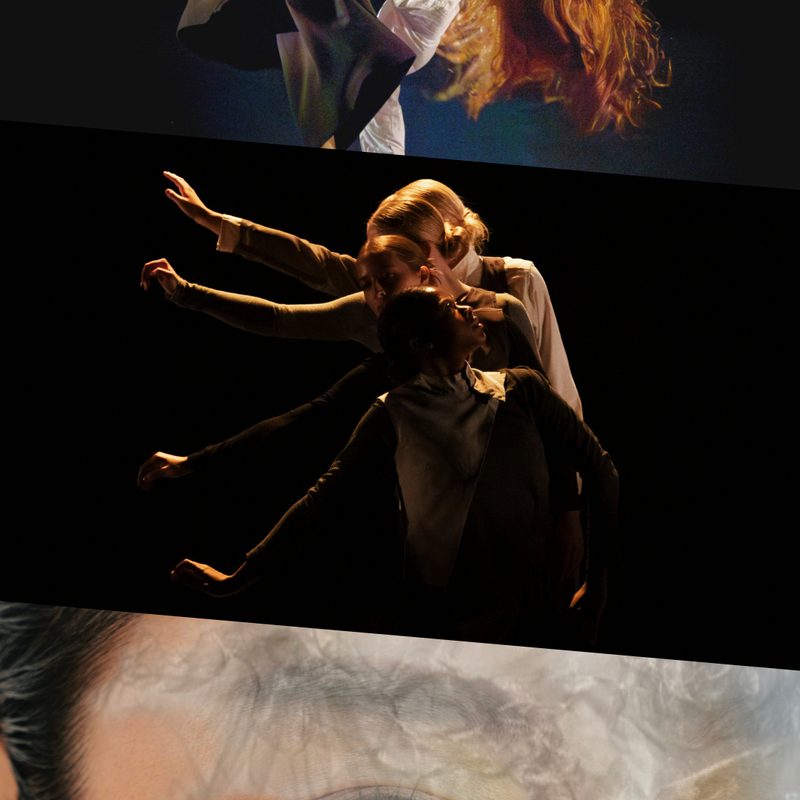
Staged in the round, Fracture begins and you are immersed in a music video: manicured choreography, artful costuming. There is an indulgent performativity to every movement. The dancers mime smoking cigarettes, languishing in being watched. A pulsing beat drives forward the piece, which develops with an incredible pace. The sassy, nonchalant masks fall, beneath there is a vulnerability and authenticity. Solos in styles such as Voguing and Breaking showcase the skill and individuality of the dancers. Westpfel Co. presents a very polished piece which packs a great deal into a short time.
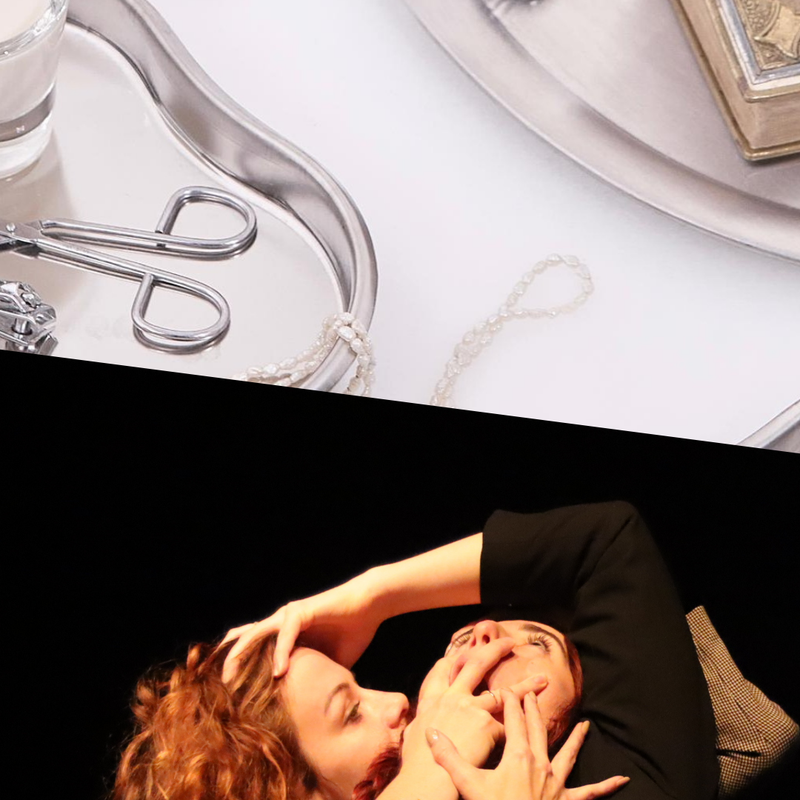
Unlike Fracture, which has a cast of six, Born, Never Asked is an intimate solo work. Ming Chin HSIEH, the dancer and choreographer, sits on the stage, wearing a white mask, with a blank expression. Around her are scattered tens of the same mask. Her relationship to these evolves. At first she cradles them with a maternal tenderness, they then begin to fuse with her, distorting her elegant movement. Soon they are parasitic. She discards them with frustration. Fabrics are also used to shroud and then reveal the body, like the shedding of skin. Throughout, Ming Chin's immersion in the work is commendable, as is her virtuosic movement, and the props create opportunity for many striking images.
Whilst the first two pieces are rooted in dance, Attention Economy is an interdisciplinary piece, equal parts poetry, movement and sound. It explores the bureaucracy of modern living, our awareness of the enshittification of online platforms, and our sickening dependence on them. Despite the three performers having ample space, the stage feels claustrophobic, and the air thick. Flashlights are used to exaggerate the glare of the phones they scroll one, and you feel your own eyes getting itchy and a dull headache setting in. Despite the greasy, hyper-capitalist hellscape depicted, there is a brimming hopefulness, generated by moments of absurdist humour, such as the displaying of a sign saying ‘our friendship ended the day the high street died’. Attention Economy points a finger at the ridiculousness of our modern life which gives way for the imagining of an alternative.
Alma Kremnitzer
Fracture is a slick operation with a commercial music video aesthetic in which the dancers embody the precision, locking and hyper-flexibility of Voguing. Wearing grey corporate suits and mesh headgear that partly obscures faces, the uniformity of the group and their tense, fractured moves suggests stressed out automatons on a capitalist treadmill. Suddenly, a rogue worker abandons ship causing the slick operation to shut down. When the dancers re-emerge as chilled-out, loose-limbed, festivalgoers, I’m a bit lost. Missing the edgy, adrenaline pumping routines of the first half, Fracture’s dramatic change of dance style and costume nevertheless showcases Megan Westpfel’s versatility as an industry-ready choreographer.
Building on personal memories, Ming Chin HSIEH evokes the complexity of a mother/daughter relationship through her punishingly technical, emotive choreography and her delicate manipulation of props. A scene of childbirth transitions to early babyhood, then to a young girl who gently wrestles with a flesh-coloured shroud, finally shedding it like a snake’s first skin. Ming Chin reflects on different stages of her life with both affection and pain, moving through time, space and light with a meditative acceptance, inquisitiveness and angry attack. Her total absorption in Born, Never Asked is very striking, her quiet act of remembering, subtle and haunting.
With a live art vibe, the three members of Wild Guessmethodically set up the tools they need for a work that combines live sound, movement and poetry. Attention to these objects and their relations is an integral part of Attention Economy, in which the performers engage with dissonant forms and ideas that crash and collide in visceral, physical storytelling. Lost in some dystopian hinterland, they use torches to navigate the darkened space. Or scrolling frantically through mobile phones they signify anxiety from the overload of information. Harry Walkers’s ballad-like poetry, sometimes read aloud from a book, articulates the central themes: capitalist decay, the erosion of the self and digital anxiety, to which mover Margot Conde Arenas responds in emotionally charged, gestural action. Refreshingly pared down and without theatrical frills, Wild Guess delivers hard-hitting social commentary with an imaginative, poetic licence.
Jo Leask