Sat 10 Jan: Maya Inniss, Aurora Casatori and Ty Burrows
News Story
Maya Inniss Humble Power, Quiet Might
Aurora Casatori Where What Never Was
Ty Burrows Supermarket Shenanigans
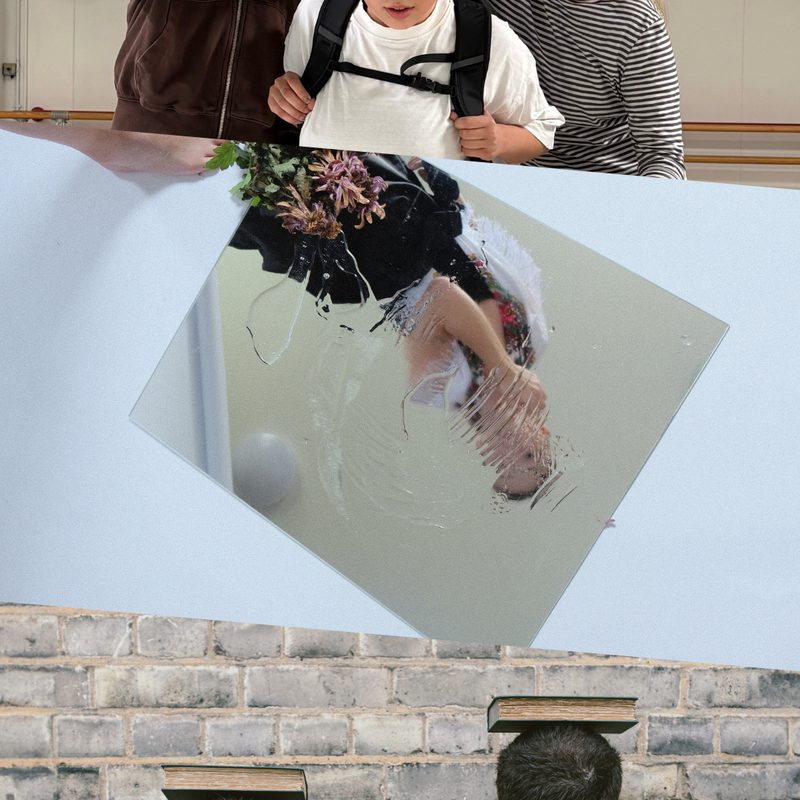
Combining poetry, visual art, and dance, Maya Inniss presented an insight into her ‘inner child’. Her movements were gentle yet brimming with a subtle tension that felt enchanting to watch. Like a coming-of-age story, she took on African dance influences with power and strength before settling into a tropical paradise of quiet joy. Inniss’s spoken word along with the sound design helped to set these scenes. Utilising children’s laughter, rhythmic drumming, and the sound of waves on the shore, I was only frustrated that I couldn’t always make out the words. Exploring what it means to be a human and an artist, I felt a warmth through her generosity and vulnerable presence.
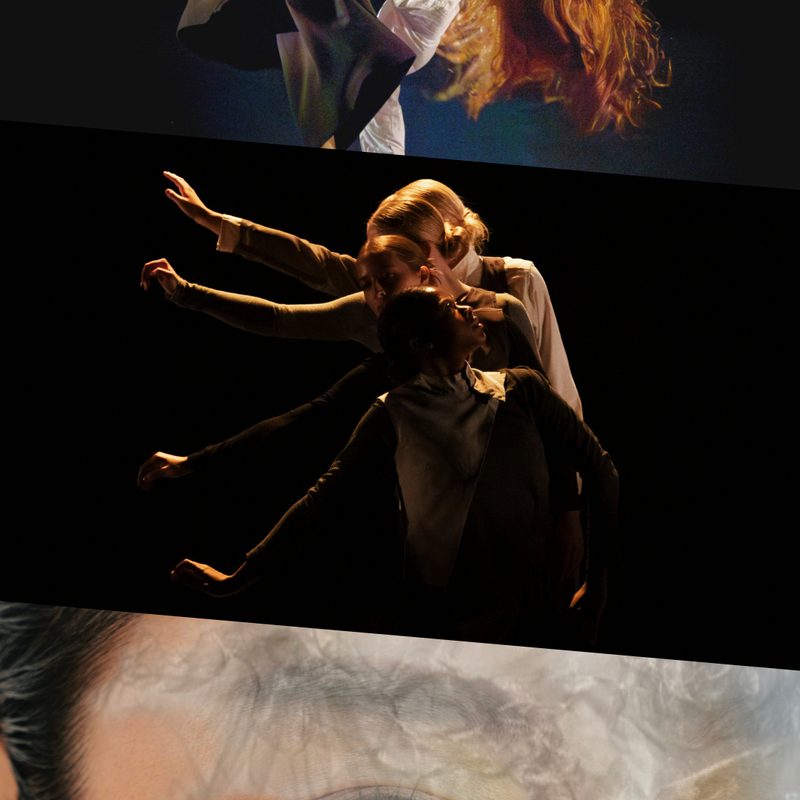
A supermarket tannoy jingle opened the second piece, introducing us to ‘Lionmart’ and dancer Noor Darwish’s swaggering employee who is only ‘Happy to help’. Refreshingly comedic in a largely serious genre of contemporary dance, Burrow’s offering made me smile. Especially the opening scene, using strong character tropes and genuinely funny dialogue. With the tannoy jingle marking each scene change, some skits were more successful than others, at times feeling slightly chaotic. More clarity is needed, particularly in the hen party sequence and 80s ‘Revive’ commercial; they didn’t quite hit as punchy dance numbers. The absurdity of character choices and the dancers’ commitment to them was commendable, with the ‘sliding doors’ end sequence capturing the farcical feeling of the whole piece.
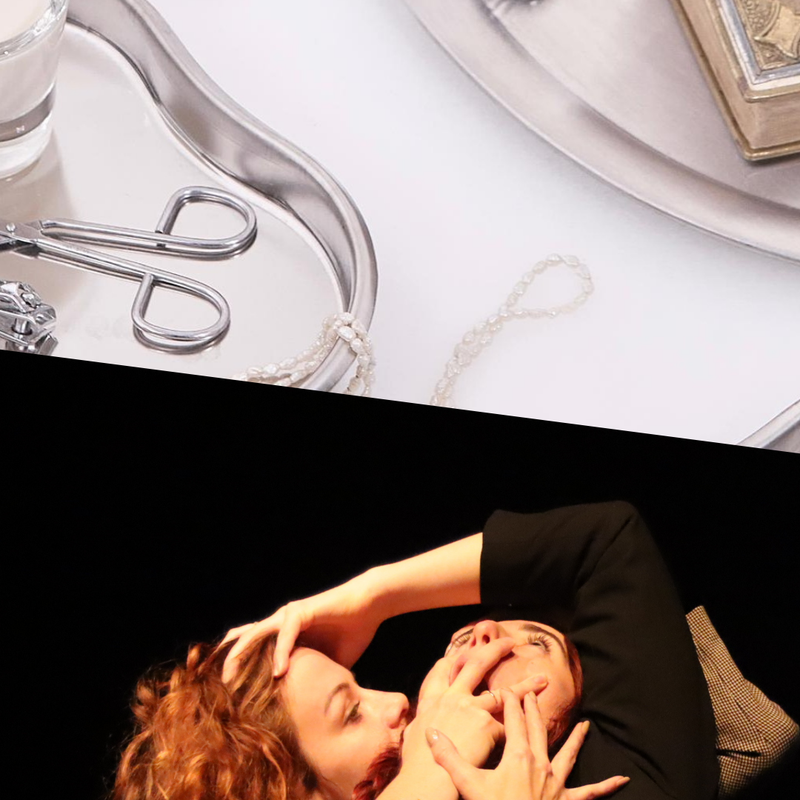
Aurora Casatori closed the night with a captivating performance rooted in floorwork and acrobatic strength. The stage resembled a dark street complete with a flickering lamppost and hooded figure, eerily moving with impossible fluidity. This opening reverie is broken by a sudden increase in flashing light and jerking isolations. The uneasy atmosphere deepened by Griffiths’ dissonant score and the unwavering presence of Casatori, luring us in, even in stillness. Throughout she seemed pulled by an invisible force, the weight of her head too much to hold up in the balance between standing and falling. In a night filled with multidisciplinary work, we were reminded by the power and impact of a highly-skilled dancer with a clear inspiration.
Lauren O'Sullivan
Humble Power, Quiet Might is a meditative, searching journey undertaken by Maya Inniss to unleash her unique, versatile artistry. Inniss’s magnetic presence and power unfolds through sinuous, grounded movement, drawing and nuanced poetry. At first, she’s pulled diagonally towards a spotlit box of coloured crayons, slowly and purposefully unfurling limbs and fingers to a voice-over of her poetry. As her body awakes, she segues into a faster, percussive, ritualistic trance dance to greet the sunset, her peak time for inspiration. Unravelling a large roll of paper to reveal intricate sketches of trees and landscapes, she adds colour and line, replacing the invisible circles and spirals made earlier by her body in motion. Inniss embodies each art form with impressive intention and curiosity, fusing her work into a visionary, seamless whole.
It's rare to see comedy in contemporary dance but Ty Burrows delivers humour in buckets, frequently sending the audience into uncontrollable outbursts of laughter. A down-at-heel, poorly stocked supermarket becomes a theatre for a variety of chaotic, awkward encounters: a skateboarder’s bromance with the supermarket assistant, a woman and her crush, a debauched hen party, a karate kid who thinks they’re a hero and a lonely, homeless person with attachment issues. The endearing Carys Belle Thomas, Noor Darwish and Amelia McCullock move between slapstick, fizzing jazz sequences and street dance, that veer dynamically from deadpan to over-the-top bonkers. Although the work feels a bit long and cluttered, resulting in some punchlines falling flat, Supermarket Shenanigans is a delight to watch.
Aurora Casatori’s introverted, complex solo explores the devastating effects of lost and fading memories. With yearning, she tries to meet and remember moments from the past. She collapses in on herself, falls from a lopsided headstand and contorts in broken angles and positions. Through the juddering and fragmented articulations of acrobatic breaking and popping, one can see her understated technical brilliance. Her movement is free of ego and superficial tricks as she cuts to the core of what her physical language can communicate: a body that aches for something intangible that is gone. The stark strobe lighting further enhances her difficult state of being, making this work an absorbing experience to witness.
Jo Leask